
From the Johnsonville Line to the Kāpiti Coast
The history behind the Blue Train carriage
These days, the Blue Train is best known for its candlelit dinners, vintage charm, and central role in Tour Wellington’s signature experiences. But before the jazz, the wine, and the warm glow of table lamps in Paraparaumu, this carriage had a very different life – as a humble part of Wellington’s suburban rail network.
It served thousands, went mostly unnoticed, and faithfully ran the same route, day in and day out. Its story began long before it ever found its way to the Kāpiti Coast – and it’s one that runs deep through the city’s transport history.
Early beginnings
The Blue Train carriage began its life as part of the NZR English Electric multiple unit fleet – a now-iconic series of trains introduced to Wellington between 1938 and the early 1950s. These units were among the first electric trains to run in the region, following the electrification of key suburban lines.
One of the most notable routes they served was the Johnsonville Line, a 10-kilometre stretch of track connecting Wellington Station to the hillside suburb of Johnsonville. Originally built as part of the old Wellington and Manawatu Railway, this line became a key commuter route once it was electrified – a feat completed just before World War II in 1938.
The Johnsonville Line is famous for its steep gradients, tight curves, and three tunnels that cut through the hills above Wellington Harbour. It’s also known for offering some of the most scenic suburban rail views in the country – where houses perch on slopes, native bush brushes the track edges, and the capital slowly fades behind as the train climbs uphill.
The English Electric units that ran these routes were designed for function. Their interiors were simple – hard bench seats, hanging leather straps, and twin sliding doors that opened with a jolt. For decades, they were part of the city’s daily rhythm: packed with office workers in the mornings, shoppers and students in the afternoons, and the quiet hum of weekend travellers on Saturdays.
They weren’t glamorous. But they were dependable. And for many Wellingtonians, they were a constant presence through decades of change.
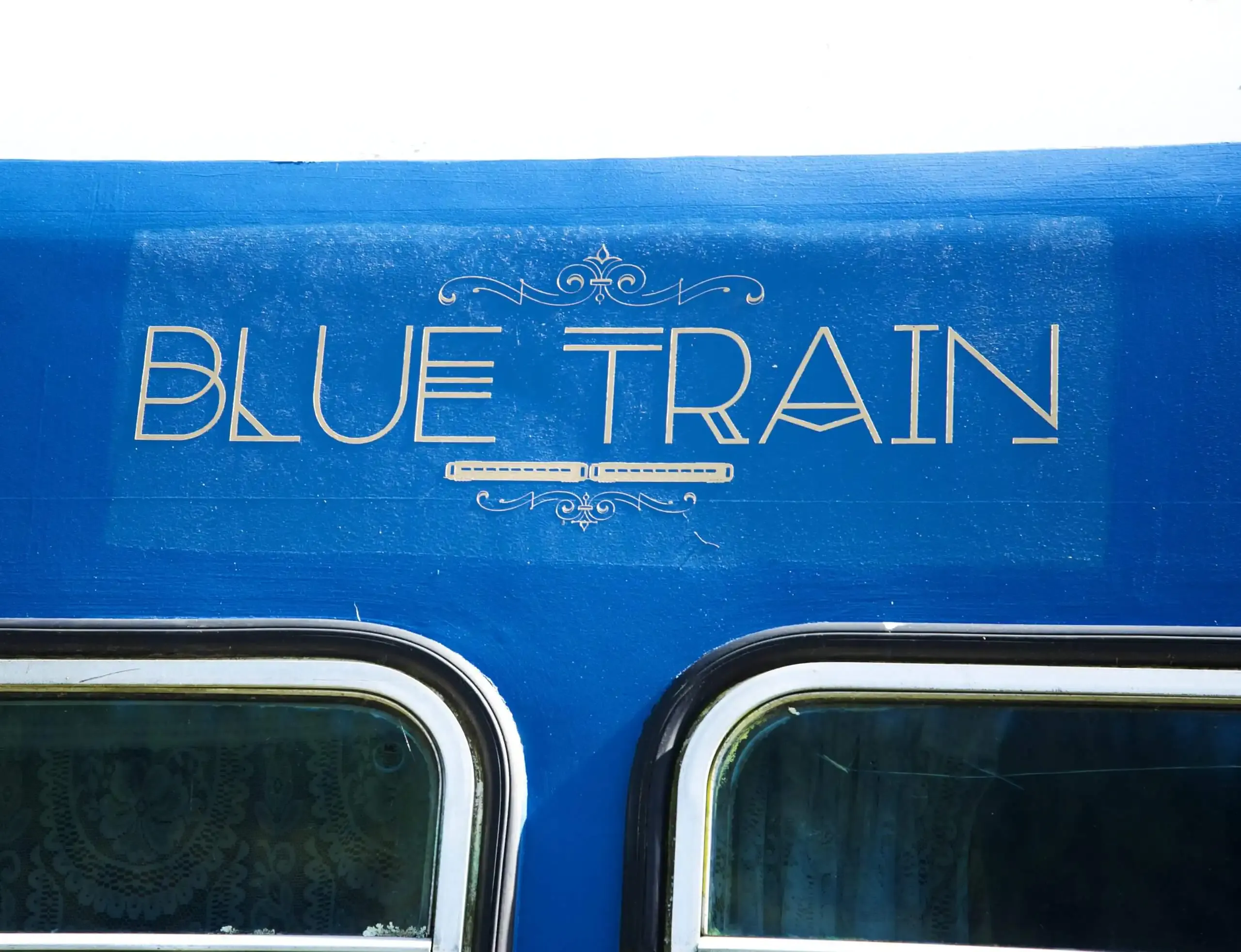
The end of the line (and a new beginning)
By the late 20th century, the English Electric fleet was showing its age. Newer trains were introduced in the 1980s and beyond, bringing smoother rides, improved comfort, and more modern systems. Gradually, the older units were phased out.
Many were scrapped. A few were preserved by rail heritage groups. One – weathered from decades of service, but still intact – was given a second chance.
That carriage was relocated to the Kāpiti Coast, where it found a new home in Nikau Valley, just north of Paraparaumu. There, it began a quiet transformation. Not a full restoration – not a return to its former commuter identity – but a repurposing. A new purpose rooted in hospitality, connection, and local storytelling.
The refurbishment was gradual, considered, and hands-on. Timber panelling was added. Lighting was softened. A kitchen space was built in, and tables replaced benches. The windows stayed. So did the curve of the ceiling, the weight of the doors, and the quiet creak of the carriage settling into the gravel below.
Though the fittings are new, the structure still holds its history – and for those who know what to look for, the spirit of its original purpose remains.
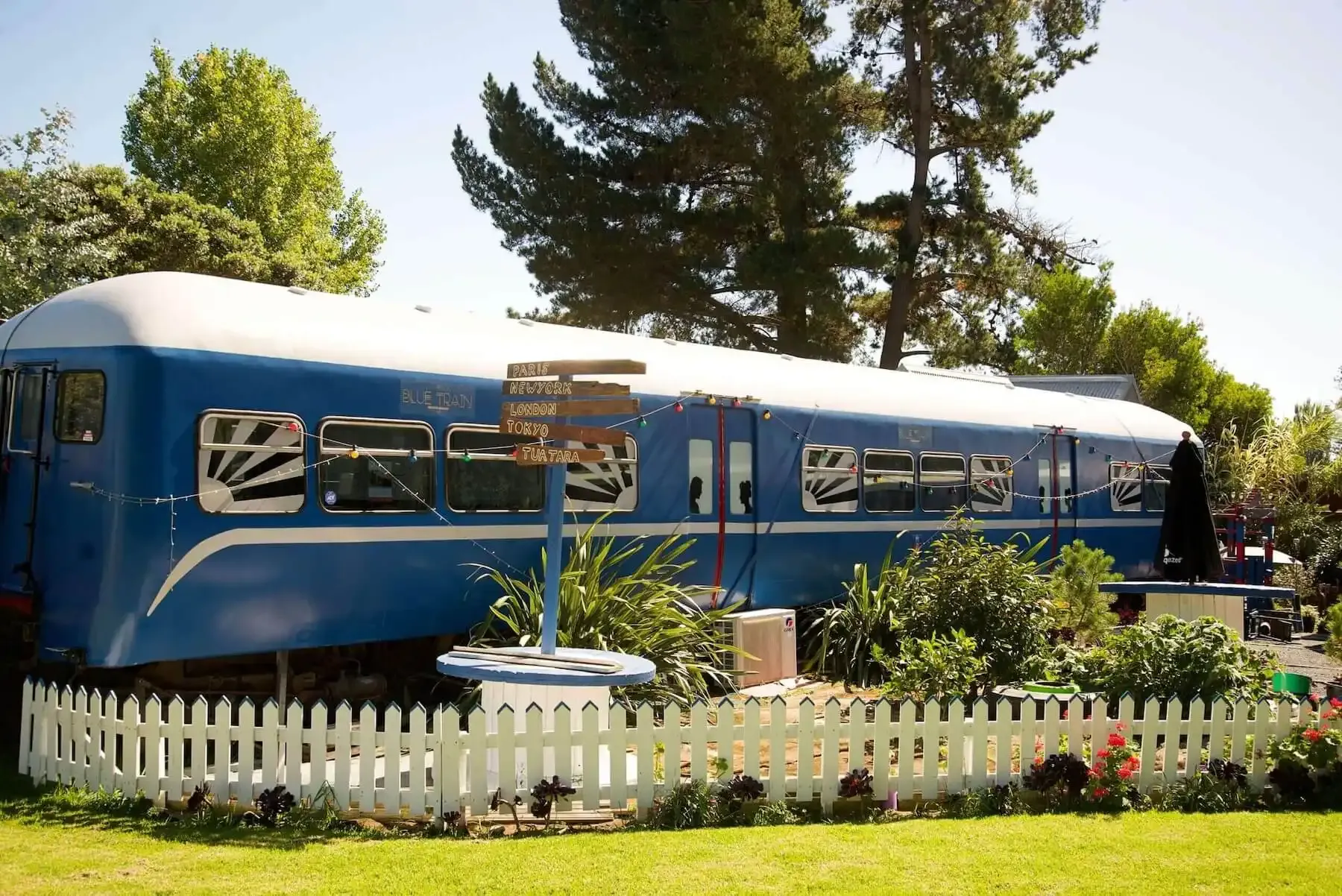
Today, the Blue Train Kāpiti Coast no longer runs on rails – but in many ways, it still moves.
From track to table – and ready for you
The Blue Train Kāpiti Coast carries stories, conversations, shared meals, laughter, music, and moments of pause. Every guest adds something. Every gathering inside its walls becomes part of its continuing story.
If you’d like to experience the Blue Train for yourself, we invite you to join us on the Tūī Tour – a relaxed evening that begins with a ride on a restored Wellington trolley bus and ends in the warm, intimate glow of the Blue Train carriage. With live jazz, local wine, seasonal food, and a touch of history in every corner, it’s a way to step back – and savour the journey.